Origins of Participatory Legal Scholarship
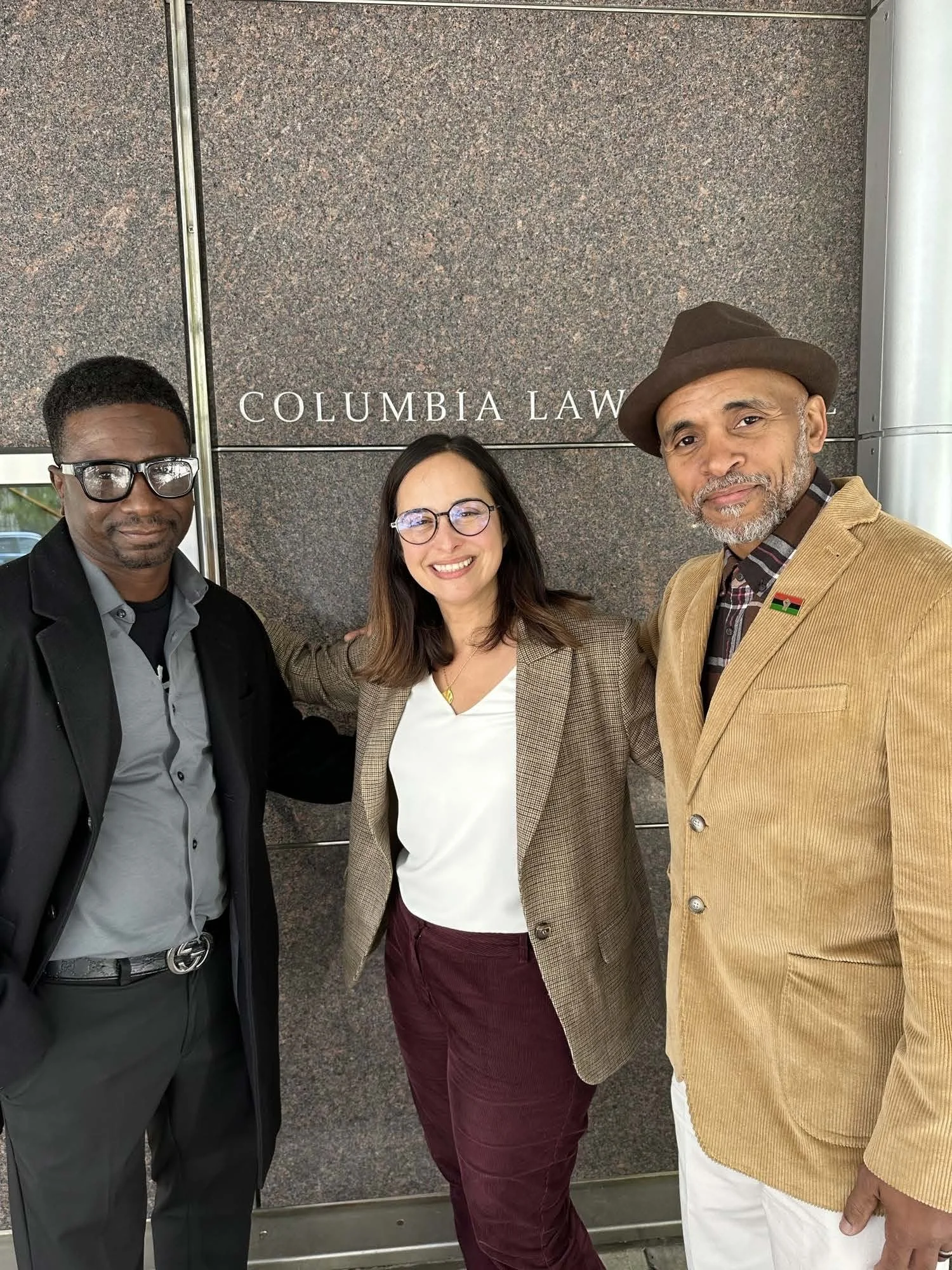
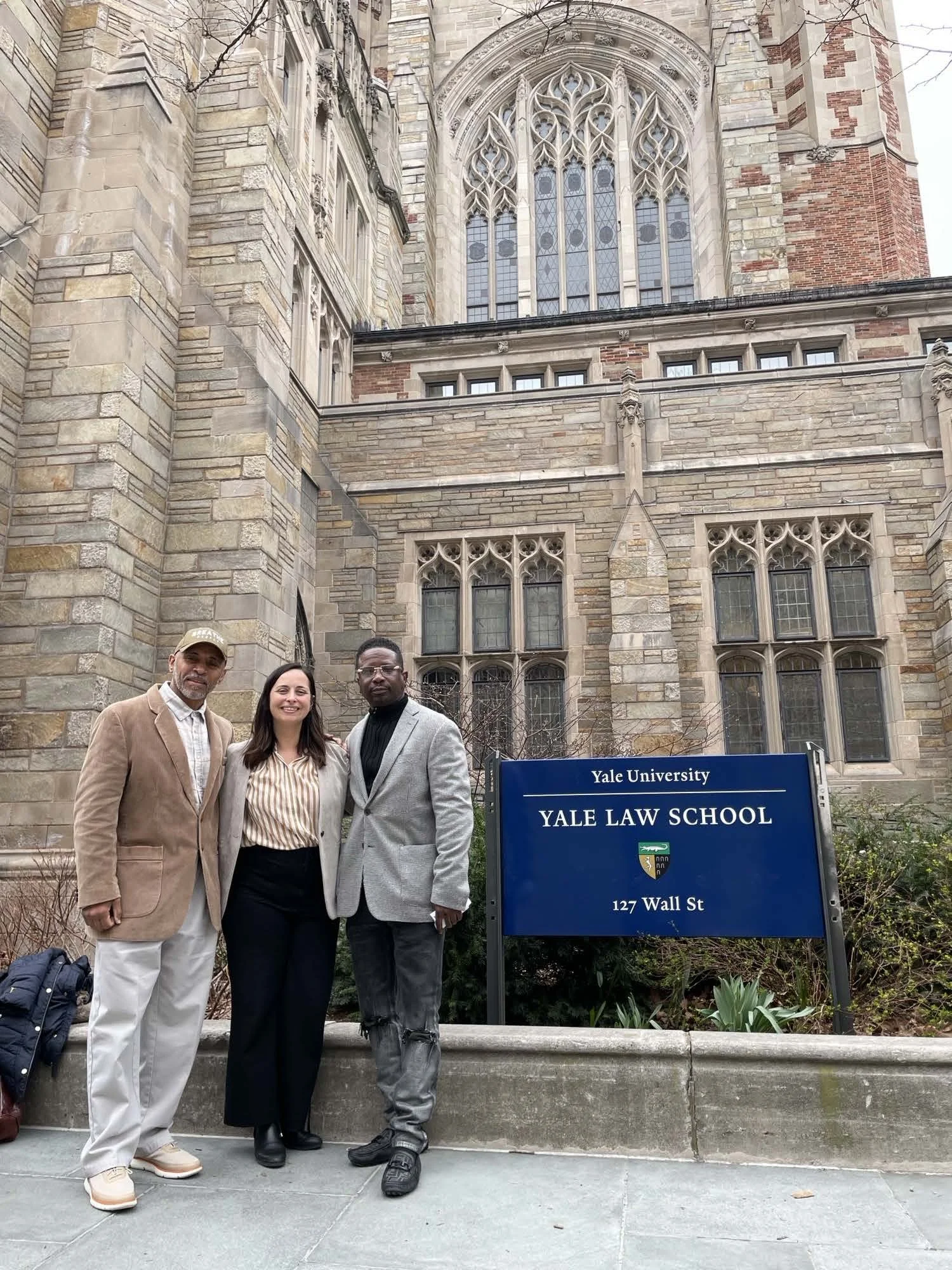
Rachel E. López, Terrell Woolfolk, & Kempis “Ghani” Songster
Participatory Law Scholarship took root in a collaboration. In their 2021 article, Redeeming Justice, published in the Northwestern University Law Review, Terrell Carter (aka Terrell Woolfolk), Professor Rachel E. López, and Kempis "Ghani" Songster argued for the right to redemption.
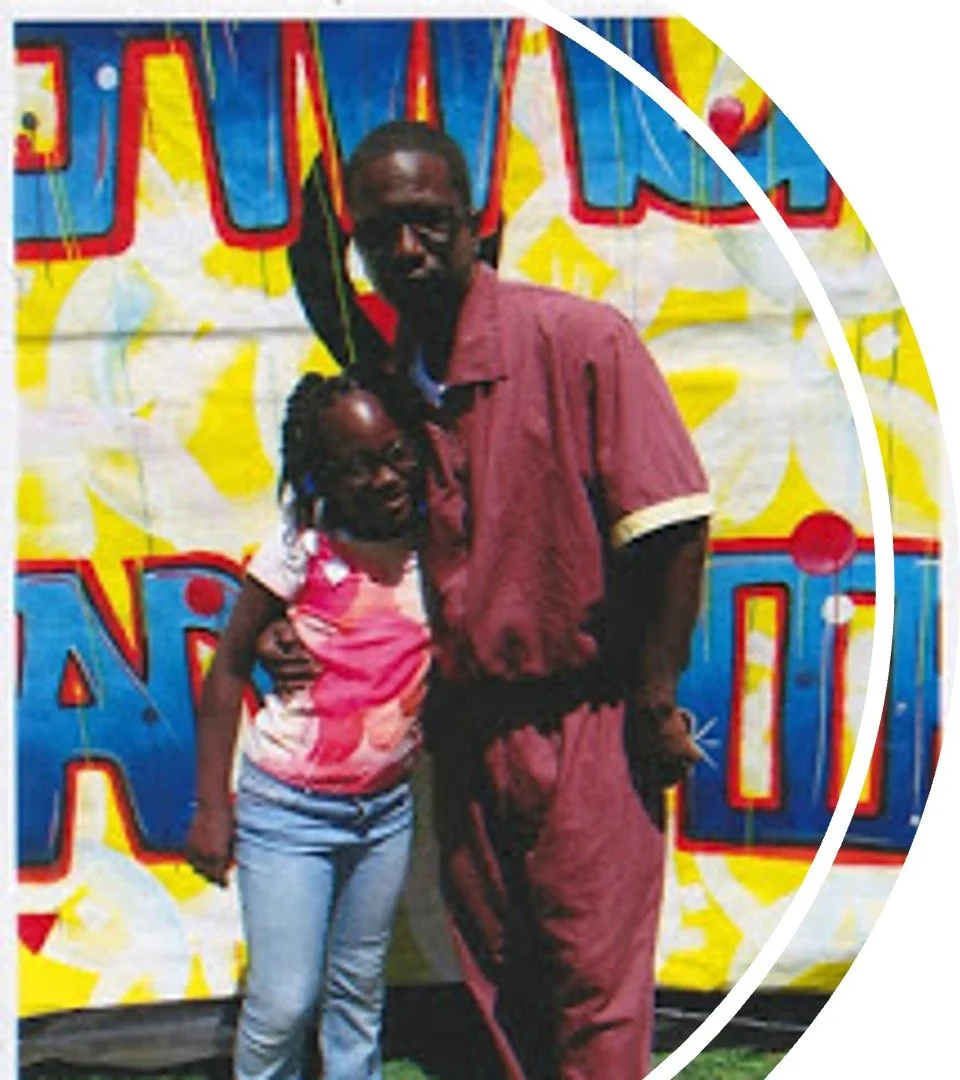
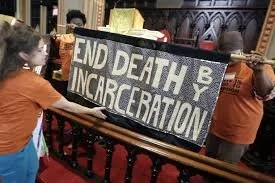
Rather than writing about people serving life without parole, López co-authored the article with Carter and Songster, who both had been sentenced to what they called “death by incarceration.” Along with other members of the Right to Redemption Committee at a correctional facility in Pennsylvania, they conceptualized the right to redemption, based on the premise that the capacity for change is an innate human characteristic and should be reflected in law. Their experiences helped shape the legal questions, analysis, and claims at the heart of the article, while López situated this work within human rights law. The collaboration and the advocacy it helped generate have since contributed to developments in international human rights and cruel-punishment jurisprudence in the United States, and most importantly to Terrell’s freedom.
Building on that collaboration, López developed Participatory Law Scholarship as a framework in her article Participatory Law Scholarship, 123 Columbia Law Review 1795 (2023). The framework begins from a simple premise: people who have experienced the legal system possess unique forms of expertise that legal scholars cannot acquire through traditional legal research alone. Their experiences can do more than illustrate the effects of law. They can shape the questions legal scholarship asks, challenge its assumptions, and contribute to its arguments and conclusions.
Since then, PLS has continued to grow through new collaborations between legal scholars and experiential experts, and through broader efforts to create space for participatory scholarship in the legal academy. At its core is a challenge to traditional boundaries of legal expertise: if law profoundly shapes people’s lives, then the people who have lived through those legal systems may have important things to teach us about what the law is, how it operates, where it fails, and how it might change.
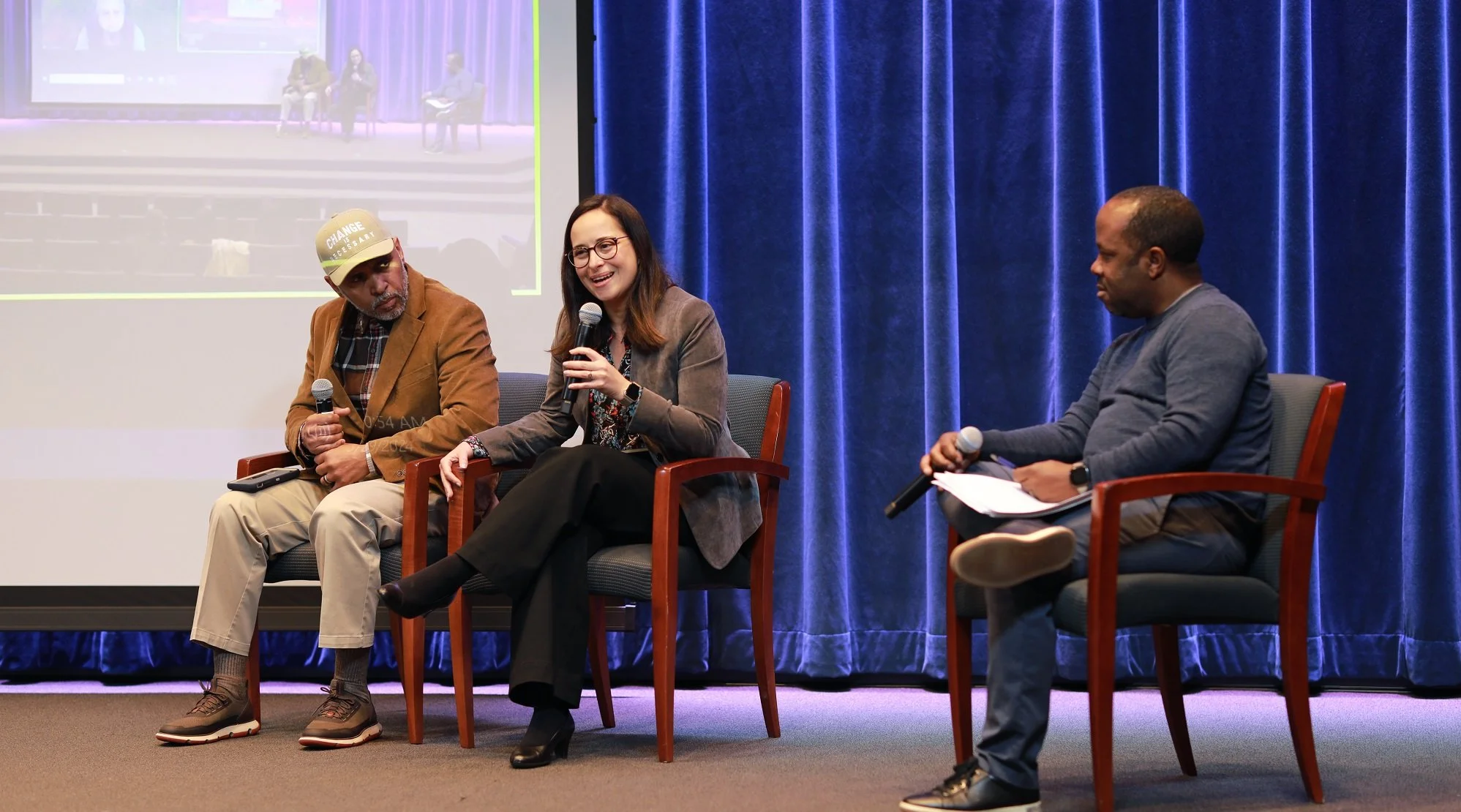
New!Other Pieces by López, Woolfolk, and Songster
-
![]()
Redeeming Justice
-
![]()
Participatory Law Scholarship
-
![]()
Regarding the Other Death Penalty
-
![]()
If Lived Experience Could Speak: A Method for Repairing Epistemic Violence in Law and the Legal Academy
-
![]()
Participatory Law Scholarship as Demosprudence
-
![]()
Experiential Expertise in Law: What Lived Experience Can Teach
-
![]()
Foreword: The New Frontier of Participatory Legal Scholarship
-
![]()
Restoring Justice (work in Progress)